The Role of Atmosphere in Casino Design
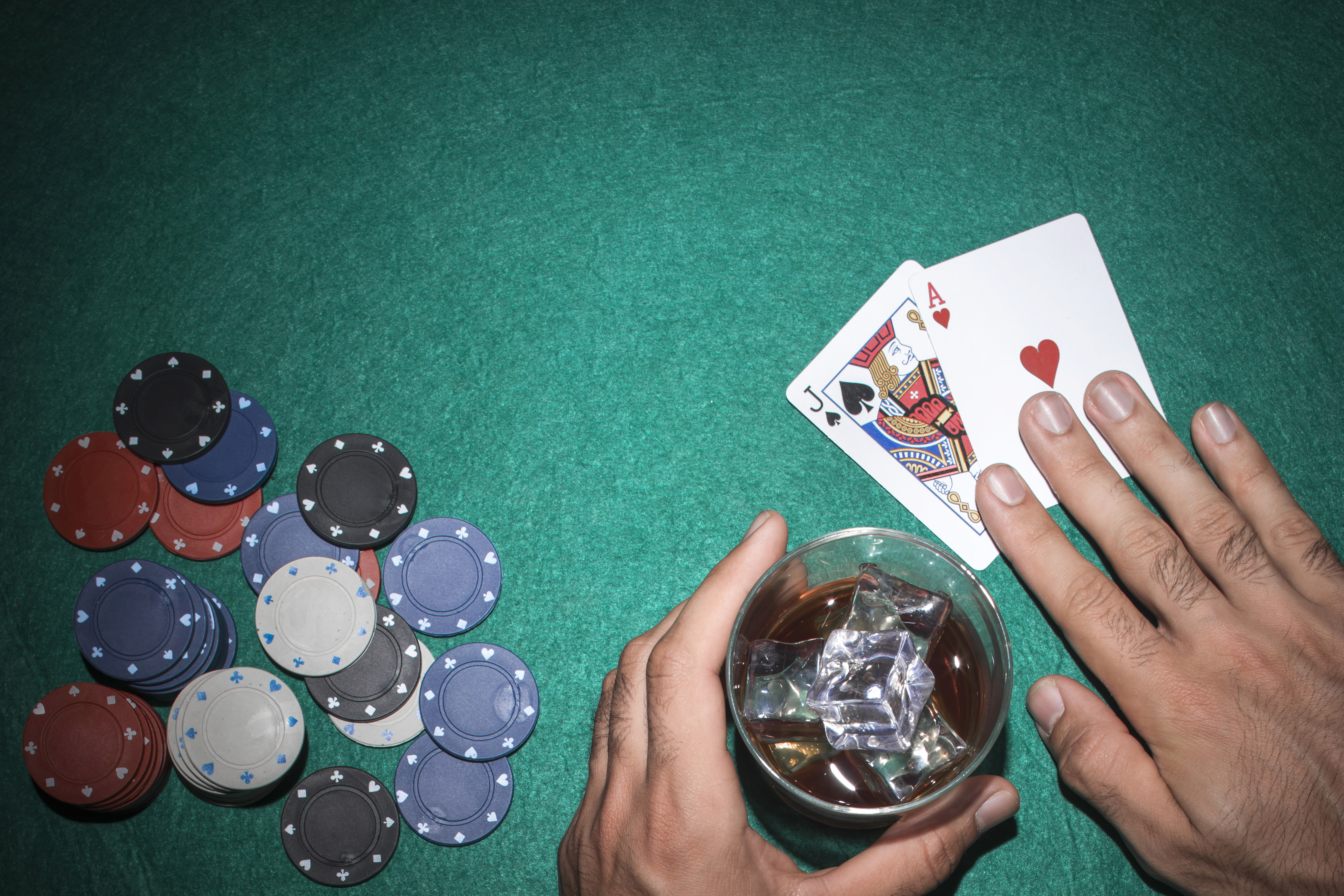
The atmosphere within a casino plays a crucial role in engaging visitors and encouraging them to stay longer. From the moment guests enter, their senses are bombarded with vivid colors, enticing sounds, and carefully curated scents that create an immersive experience. The deep hues of red and gold are often used to evoke feelings of wealth and luxury, while strategically placed lighting draws attention to game tables and slot machines, enhancing their allure. This sensory stimulation is designed not just to attract patrons but to keep them entertained and engaged, creating a sense of euphoria that can lead to longer playtime, as highlighted on b4sdirectory.co.uk for those seeking the best venues.
Furthermore, casinos often utilize a concept known as the “gambling zone,” where the layout and design ensure that guests feel comfortably enveloped by the action around them. This is achieved through open floor plans that encourage movement and discourage swift exits. The layout intentionally complicates the pathways so that players are less likely to find their way back to the entrance quickly. Instead, they are subtly encouraged to explore more of the gaming floor, increasing the likelihood of engaging in additional gambling activities. This spatial strategy highlights the psychological manipulation involved in casino design, creating an environment where guests lose track of time and money.
Additionally, sound design in casinos is meticulously crafted to enhance the overall atmosphere. The ringing of slot machines and the cheers from winning players create a lively ambiance that instills a sense of excitement. Research has shown that certain sounds can trigger emotional responses, which is why casinos often play upbeat music to elevate moods and encourage spending. By creating an environment filled with positive energy and anticipation, casinos tap into psychological triggers that can lead patrons to make impulsive decisions, ultimately benefiting the house.
Color Psychology in Casino Design
Color choices in casino design are not spontaneous; they are grounded in psychological principles that influence human emotions and behavior. For instance, red is frequently used in casinos because it is associated with excitement and passion, stimulating appetite and increasing heart rates. This vibrant color can lead players to feel more energized and likely to take risks. In contrast, blues and greens are often incorporated into quieter areas to promote relaxation and comfort, providing a balance to the high-energy gambling floor. The careful application of color creates an atmosphere that is both invigorating and welcoming.
Moreover, the strategic use of colors can impact the perceived value of games and experiences. Bright colors may attract players to specific games, while more muted tones can signify premium experiences. For example, high-stakes tables may feature deeper shades that evoke exclusivity and sophistication. By creating a visual hierarchy through color, casinos effectively guide players toward different gambling experiences, influencing their choices and spending patterns. The overall design creates a compelling narrative that draws patrons deeper into the casino’s offerings.
The psychological effects of color also extend to signage and branding within the casino. Eye-catching graphics, alongside a harmonious color palette, can create an inviting atmosphere that encourages exploration and interaction. Additionally, studies in color psychology have shown that certain colors can trigger specific emotional responses, helping to guide guest behavior in desired directions. A well-thought-out color strategy not only enhances the aesthetic appeal but also works to foster a sense of belonging and excitement among players, increasing their willingness to engage with the casino’s offerings.
The Influence of Layout and Space
The physical layout of a casino is designed with precise intent to maximize player engagement and time spent on the gaming floor. Casinos generally employ a maze-like structure, where pathways lead guests through various areas filled with games, dining options, and entertainment. This strategic arrangement makes it challenging for visitors to find exits quickly, ensuring they stay within the casino longer. The layout often includes clusters of slot machines and table games that create excitement and social interaction, drawing players into the action. This design philosophy capitalizes on the tendency for people to follow social cues, thus fostering a dynamic environment where patrons feel compelled to stay and play.
Circulation patterns are meticulously planned to encourage foot traffic toward high-revenue areas. For example, players often gravitate toward busy game tables, where the energy and excitement are palpable. The introduction of open spaces paired with intimate gaming areas caters to different player preferences, allowing for both social interaction and a sense of personal space. The psychological aspect of layout is crucial, as it influences how patrons navigate the casino and interact with games and each other, ultimately leading to increased spending as they become enveloped in the atmosphere.
Additionally, the inclusion of amenities such as bars and lounges strategically placed within the gaming area further reinforces the design’s effectiveness. These facilities provide opportunities for players to take breaks while remaining in the casino, prolonging their visit. This design element not only enhances the overall experience but also builds a sense of community among patrons, creating a social environment that encourages spending. By using layout and space to manipulate human behavior, casinos effectively turn casual visitors into engaged participants who are likely to gamble longer.
The Psychological Impact of Rewards and Incentives
Casino design incorporates various reward systems that leverage psychology to enhance player engagement. Loyalty programs, for example, are structured to create a sense of belonging and reward frequent visitors. These programs often use tiered systems, where increased play leads to better rewards, making players feel valued and encouraging them to return. The anticipated future rewards can create a loop of behavior where players continue to gamble to reach the next tier, thus increasing their spending over time. This psychological strategy relies on the principle of operant conditioning, where positive reinforcement encourages repetition of the desired behavior.
Additionally, casinos strategically place jackpots and high-stakes games in prominent locations to capitalize on the allure of big wins. The visualization of potential rewards, combined with the thrill of chance, creates an addictive cocktail that keeps players engaged and betting. The game design often includes intervals of wins, even if small, to keep players motivated. This phenomenon, known as the “near-miss effect,” can lead players to believe they are closer to winning than they actually are, further entrenching them in the gaming experience.
The psychological impact of social reinforcement is also notable in how casinos design their environments. By integrating visible leaderboards or highlighting player achievements, casinos instill a competitive spirit among patrons. This interaction can spur individuals to gamble more in hopes of achieving recognition or higher status within the gaming community. The constant feedback loop of rewards and recognition not only enhances player satisfaction but also reinforces their inclination to return, making them more likely to engage in future gambling experiences.
Understanding the Design of Online Casinos
The psychology inherent in casino design extends beyond physical locations to the virtual realm of online casinos, which have gained immense popularity in recent years. Online casinos utilize similar design principles, incorporating engaging graphics, sound effects, and user-friendly interfaces to create a captivating experience. The use of vibrant colors and animated buttons is strategically selected to evoke excitement and draw players into the games. Just as in a brick-and-mortar casino, the design aims to create an immersive atmosphere that captivates and retains players.
User experience is paramount in online casino design, with websites often structured to replicate the physical experience of visiting a real casino. The layout is typically intuitive, guiding users through the various offerings while maintaining accessibility and ease of navigation. The psychology of choice is present, where presenting multiple options encourages users to continue playing rather than leaving the site. This design philosophy promotes exploration and increases the likelihood of engagement, with players drawn to discover new games and features.
Moreover, the incorporation of bonuses and promotional offers acts as a powerful psychological incentive in the online space. Just like physical casinos, online platforms leverage the thrill of rewards to retain players. These incentives serve as motivators that keep users engaged, encouraging them to return for more. The overall experience mirrors the thrill of real-world gambling while catering to the unique challenges and opportunities presented by the digital realm, displaying how the principles of casino design can be effectively applied across various platforms.